White patches on the skin (vitiligo): what to know
 For patients of Dr Arpita Agrawal, MBBS, MD (Dermatology) · 4 min read · sources below
Vitiligo is a long-term condition in which some skin loses its colour and turns pale or white. It is not an infection: you cannot catch it from someone, or give it by touch, food or sharing things. Patches usually do not hurt. A skin doctor can confirm it, because other problems can also cause light patches. Treatment can bring back some colour in many people, and pale patches burn easily, so protect them from the sun.
What vitiligo is
Skin gets its colour from a pigment called melanin. In vitiligo, the cells that make this pigment are damaged, so pale or white patches appear.
In the most common type, the body's own defence (immune) system attacks these cells. It is more likely if someone in the family has vitiligo or another such illness, such as some thyroid problems.
It does not spread to others
Vitiligo is not caused by germs. It does not pass from one person to another by touch, by eating together, or by sharing clothes or towels. People with vitiligo can study, work and marry like anyone else.
What it looks like
- Pale or white patches, often on the face, hands, around the mouth and eyes, in skin folds or near the private parts.
- Hair growing in a patch may turn white or grey.
- Patches are usually painless; now and then they itch.
- They may stay the same, or slowly grow and join up. How much skin it will affect cannot be known in advance.
Why see a skin doctor
Other conditions, such as some fungal infections, can also cause light patches, and they need a different treatment. A skin doctor can tell the difference by looking at the skin, and may ask for a blood test, for example to check the thyroid.
Treatment can bring back colour in many people, more so when started early. It cannot always stop new patches, and results are different for each person. Use only the creams or treatment your doctor prescribes for you; some creams thin the skin if used for a long time without a doctor's advice.
Daily care
- Pale patches burn easily. Use a sunscreen with SPF 30 or more on uncovered skin, and wear a hat or long sleeves in strong sun.
- Avoid cuts, scrapes and tight rubbing on the skin, which can bring new patches in some people.
- If the patches make you feel low or shy, talk about it with your doctor. Support groups can also help.
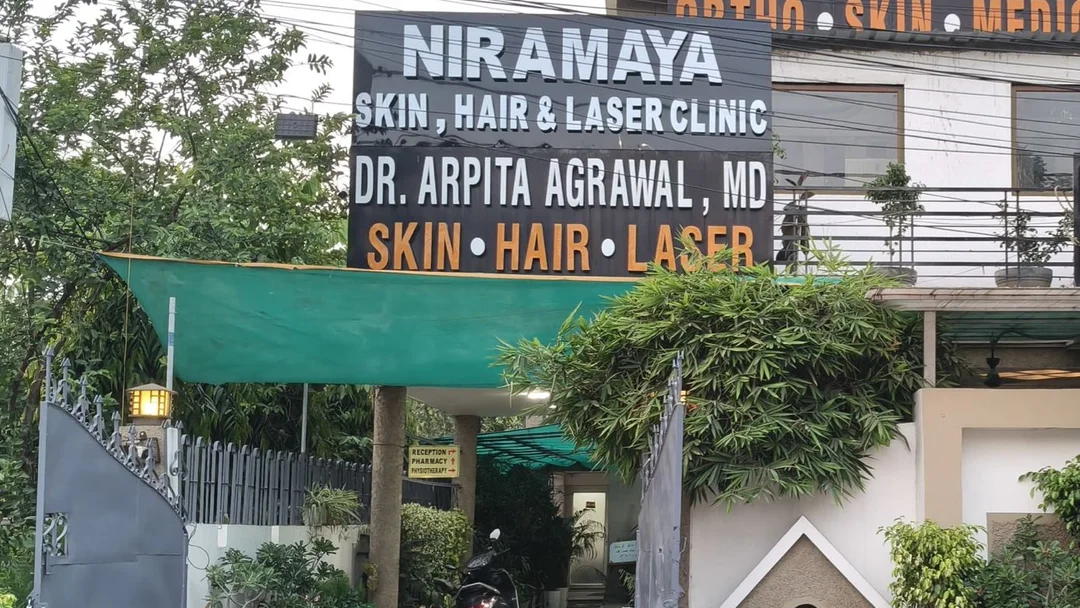 Dr Arpita Agrawal · Dermatologist, Jankipuram, Lucknow
Niramaya Skin, Hair & Laser Clinic, B2/19 Tedhi Pulia Ring Road, near Engineering College Chauraha, Sector F, Jankipuram, Lucknow 226021. Every day 10 am – 3 pm; Tue and Fri also 4:30 – 7 pm · 088872 88870.
This note is general information for patients. It is not a substitute for a visit. Please see a doctor for advice about your own health.